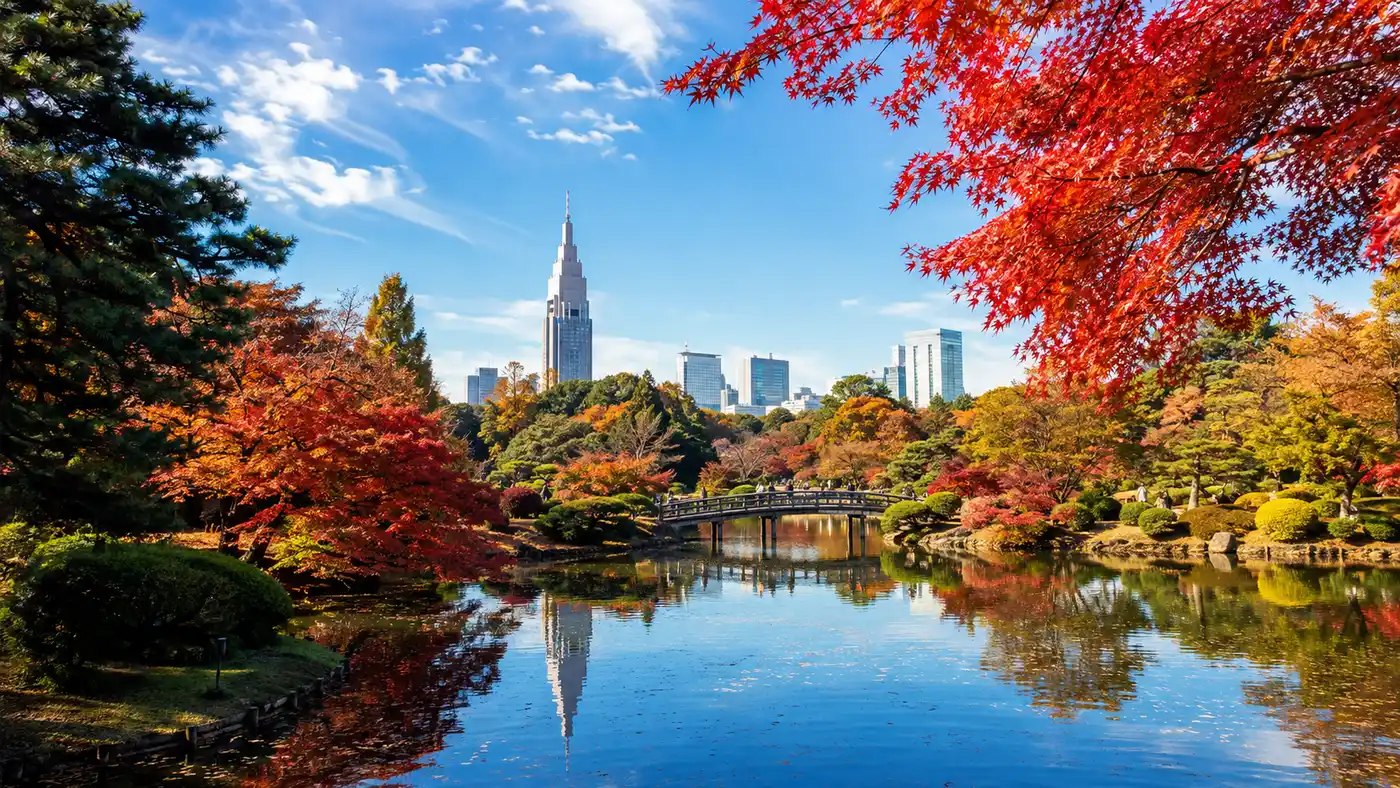
Shinjuku Gyoen Autumn Leaves & Fall Foliage
Tokyo in autumn is a truly special experience, a vibrant shift from the humid summer green. The city transforms with fiery reds and golds, and nowhere is this display more breathtaking than among the majestic trees of Shinjuku Gyoen. Witnessing the Shinjuku Gyoen autumn leaves is honestly one of my favorite things to do when the weather cools down. It’s a huge urban oasis, a place where you can easily forget you are in the middle of one of the world's busiest cities. This guide will walk you through everything you need to know to make the most of your visit to Shinjuku Gyoen during the fall season. We will cover the best times to go, what specific areas offer the most stunning views, and some practical tips to ensure a smooth and enjoyable trip. Get ready for some truly spectacular scenery.Book your Shinjuku Gyoen experience:
When to See Shinjuku Gyoen Autumn Leaves at Their Peak
Figuring out the exact peak for autumn colors in any garden can be a bit of a guessing game, even for locals. Weather patterns shift yearly, affecting when the leaves decide to turn. For Shinjuku Gyoen, generally, you are looking at a window from mid-November through early December. I find that the last week of November often hits the sweet spot for maximum color. Some years, it stretches a bit into the first week of December, especially if there hasn't been a harsh cold snap. Different trees, of course, have their own schedules. The ginkgo trees, with their brilliant yellow, often peak a little earlier than the deep red maples. You might catch the ginkgoes at their best around the second or third week of November. The Japanese maples, those iconic trees that everyone photographs, tend to hold out until late November, often dazzling visitors well into December. If you are planning your trip, aiming for the last ten days of November gives you your best chance to see a wide range of colors. You can check out more specific timing details on our article about Shinjuku Gyoen Opening Hours & Best Time to Visit.Pro tip: Arrive right when the park opens at 9:00 AM. The light is soft for photography, and you will beat the larger crowds, especially on weekends. It makes a huge difference to the peaceful atmosphere.
| Tree Type | Peak Color Period | Dominant Color |
|---|---|---|
| Ginkgo (Maidenhair Tree) | Mid to Late November | Golden Yellow |
| Japanese Maple (Momiji) | Late November to Early December | Vibrant Red, Orange |
| Plane Tree (Suzukake) | Late November | Brown, Golden Brown |
| Tulip Tree (Yurinoki) | Mid to Late November | Bright Yellow |
| Zelkova (Keyaki) | Late November | Yellow, Rust |
Exploring the Fall Colors in Shinjuku Gyoen's Diverse Gardens
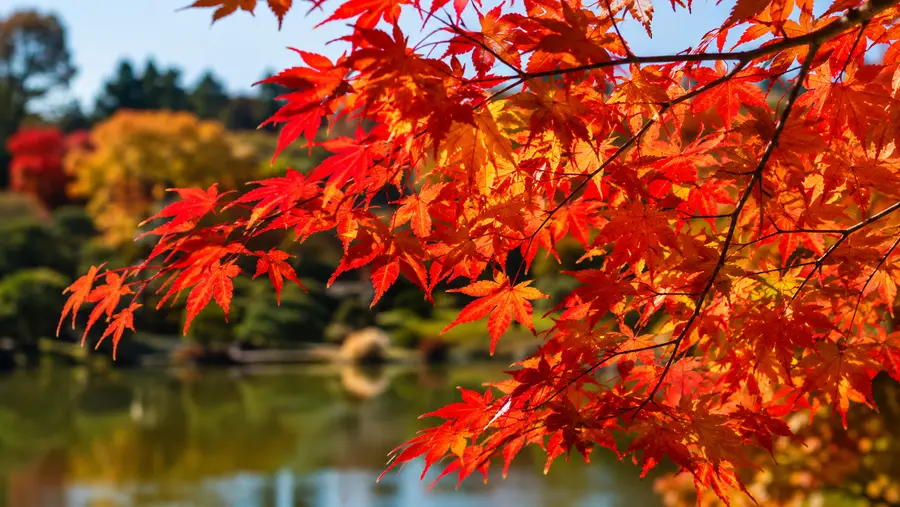
Shinjuku Gyoen National Garden is massive, covering about 144 acres. It blends three distinct garden styles: Japanese Traditional, English Landscape, and French Formal. Each area offers a different vibe and unique opportunities to enjoy the shinjuku gyoen fall foliage. It is truly a feast for the eyes. The Japanese Traditional Garden is where you will find the most iconic autumn views. This area is dotted with numerous Japanese maples, their leaves turning an intense crimson. Walk along the paths surrounding the large pond, and you will see reflections of the colorful trees on the water, creating stunning photo opportunities. The Momijiyama, or "Maple Hill," is a particular highlight here. You can spend a good 45 minutes just wandering around this section, finding new angles. Next, the English Landscape Garden presents a vast, open lawn framed by mature trees. Here, you will find impressive plane trees (Suzukake) and tulip trees (Yurinoki) that turn shades of yellow and brown. While not as fiery as the maples, the sheer scale of these trees and the wide-open spaces they define are quite grand. It is a perfect spot for a picnic, honestly, if the weather is nice. Just spread out a blanket and enjoy the peaceful atmosphere. Finally, the French Formal Garden is characterized by its symmetrical rows of plane trees. These trees line the wide, straight avenues, forming a dramatic canopy of golden-brown leaves. It is a striking contrast to the more naturalistic English and Japanese gardens. The formal layout and orderly rows make for a different kind of beauty, a more structured autumn experience. I think it is often overlooked, but worth a stroll.Note: While picnicking is allowed on the lawns, alcoholic beverages are strictly prohibited throughout the park. They do check bags at the entrance, so leave any sake or beer at home.
Practical Tips for Your Shinjuku Gyoen Autumn Visit
Planning ahead makes any trip smoother, especially to a popular spot like Shinjuku Gyoen in autumn. The park is easily accessible from several train stations, making it a convenient escape from the city bustle. I usually use the Shinjuku Gyoen-mae Station on the Marunouchi Line, it's just a 5-minute walk from the exit to the Shinjuku Gate. For more detailed directions, you can check our guide on How to Get to Shinjuku Gyoen & Entrance Gates. Entry fees are quite reasonable, usually around 500 yen for adults. You can buy tickets at the gates using cash or card. It is a small price to pay for such a magnificent garden, if you ask me. I always recommend having some yen on hand just in case, though. Once inside, there are vending machines for drinks and a few small cafes. However, food options are limited, so you might want to bring your own snacks or bento box if you plan to stay for a few hours. This is especially true if you are visiting during the shinjuku gyoen autumn peak, when the lines for anything might be a bit longer. Here are a few other things to keep in mind:- What to wear: Dress in layers. November mornings can be crisp, sometimes around 10-12 degrees Celsius, but the sun can warm things up nicely by midday. Comfortable walking shoes are a must; you will be doing a lot of exploring.
- Opening hours: The garden is typically open from 9:00 AM to 4:00 PM, with last entry at 3:30 PM. It is closed on Mondays, unless Monday is a national holiday, in which case it closes the following day. Always double check their official website for any changes, especially around holidays.
- Photography: Tripods are generally not allowed without special permission, which is a bit of a bummer for serious photographers. Handheld shots are fine, though. You can still get some fantastic images.
- Bring a bag for trash: While there are some bins, it is common practice in Japan to carry your trash with you until you find a suitable disposal point. Be a good guest.
Book your Shinjuku Gyoen experience:
Photography and Beyond - Capturing Shinjuku Gyoen in Autumn
Shinjuku Gyoen National Garden in fall season offers endless opportunities for photography. The rich palette of reds, oranges, and yellows against the clear autumn sky is just stunning. My personal favorite spots for photos are around the Taiwanese Pavilion in the Japanese Garden, capturing the reflections of the maples in the pond. Another great spot is near the Mumyōchō tea house, where the traditional architecture provides a lovely contrast to the vibrant leaves. Don't forget the ginkgo tree grove near the Shinjuku Gate. When those leaves turn, it creates a carpet of gold that is just magical. It makes you want to just kick through the leaves like a kid. Sometimes, if you're lucky, you can catch a local artist painting watercolors of the scenery. It's really quite charming. The park also has a greenhouse, which is a nice warm escape if it gets a bit chilly, and it offers a different kind of botanical beauty. Honestly, it is a truly peaceful spot in the heart of the city, a place I return to often when exploring Tokyo. It's a great example of the hidden gems you find when you dive into a good Tokyo travel guide.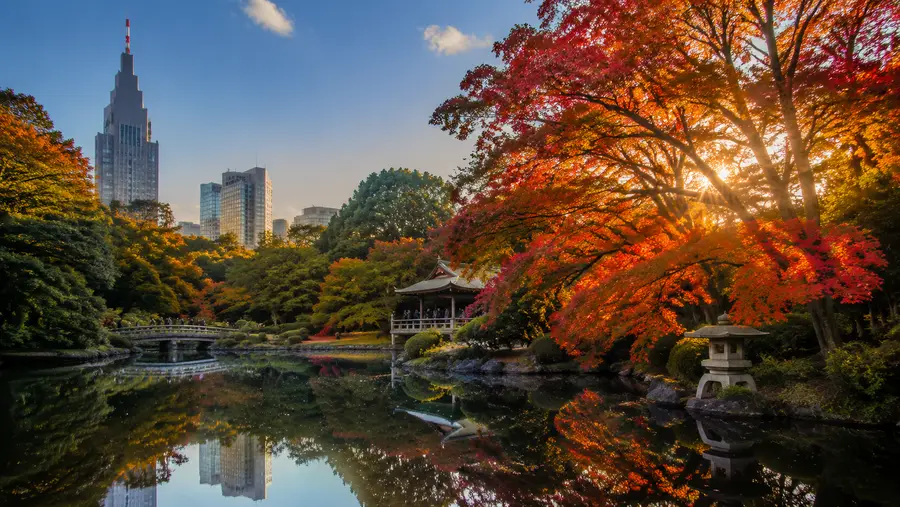
Shinjuku Gyoen in Autumn - A Local's Perspective
There is something profoundly calming about Shinjuku Gyoen in autumn. It is not just about the colors, although they are spectacular. It is the quiet hum of the city fading into the background, replaced by the rustle of leaves and the distant calls of birds. Even though it is a popular spot, especially during the shinjuku gyoen autumn peak, it never feels overwhelmingly crowded in the way some other Tokyo attractions can. The sheer size of the garden allows for pockets of solitude. I remember one crisp afternoon, sitting on a bench in the English Garden, watching a group of elderly Japanese men playing gateball. The sun was low, casting long shadows, and the air smelled faintly of damp earth and fallen leaves. It felt like a scene from a movie, a perfect slice of everyday life amidst extraordinary natural beauty. That is the kind of memory Shinjuku Gyoen creates. It isn't just a place to see pretty leaves; it is a place to slow down, to breathe, and to connect with nature, even within the confines of a bustling metropolis. The shinjuku gyoen national garden autumn truly offers a unique escape.Frequently Asked Questions about shinjuku gyoen autumn leaves
When is the best time to see autumn leaves in Shinjuku Gyoen?
The peak season for shinjuku gyoen autumn leaves is generally from mid-November to early December, with late November often being the ideal time to see the most vibrant colors.
What are the entry fees for Shinjuku Gyoen?
Entry for adults typically costs around 500 yen. There are reduced fees for children and seniors. You can pay at the gates upon arrival.
Which trees offer the best fall foliage in Shinjuku Gyoen?
Japanese maples in the Japanese Traditional Garden offer stunning reds, while ginkgo trees turn brilliant yellow. Large plane trees and tulip trees also contribute beautiful golden and brown hues.
Quick Reference
- Peak autumn: Late November to early December
- Entry fee: Around 500 yen for adults
- Main trees: Maples, Ginkgos, Plane trees
- Closest station: Shinjuku Gyoen-mae Station
- No alcohol allowed inside
Book your Shinjuku Gyoen experience:
My Take on Shinjuku Gyoen in Fall
Honestly, if you are in Tokyo during the autumn months, visiting Shinjuku Gyoen is a non-negotiable. It offers a spectacular display of fall foliage that rivals any other spot in the city, or maybe even in Japan. The blend of different garden styles means you get a varied experience, from the serene Japanese maples to the grand avenues of the French Garden. Don't miss the chance to wander through this incredible urban sanctuary. It is a perfect way to spend a crisp autumn day, trust me.Read more about Shinjuku Gyoen.