Shinjuku Gyoen Through the Seasons
There's something really special about Shinjuku Gyoen, a sprawling urban oasis right in the heart of Tokyo. Many people flock there in spring for the cherry blossoms, and rightly so, but honestly, I think it's a place worth visiting any time of year. Even in the depths of shinjuku gyoen winter, when the city feels a bit stark, this garden offers a peaceful, almost meditative experience that you just can't get anywhere else. We're going to take a stroll through the garden as the calendar pages turn, exploring what makes each season unique. From the quiet beauty of a snowy landscape to the vibrant burst of summer hydrangeas, you'll get a good sense of what to expect, and maybe even find a new favorite time to visit. I'll share some practical tips along the way, too.Book your Shinjuku Gyoen experience:
Shinjuku Gyoen Winter: A Quiet Beauty
Visiting Shinjuku Gyoen in winter can feel like you have the whole place almost to yourself. The crowds thin out a lot, especially on colder days, giving the garden a serene, almost introspective atmosphere. I remember one January morning, the air was crisp, and a light frost still clung to some of the pine needles. It was incredibly peaceful. You might not see the riot of color from spring or autumn, but the subtle beauty of the bare trees, the evergreen pines, and the occasional winter-blooming flower is really striking. December, January, and February bring their own charm. The Japanese Garden, with its traditional teahouses and meticulously pruned trees, looks particularly elegant against a grey winter sky. You can often spot camellias blooming, their rich reds and pinks a welcome splash of color. And then there are the plum blossoms. If you visit Shinjuku Gyoen in February or early March, you're in for a treat. The plum trees, often mistaken for cherry blossoms by first-time visitors, start to bloom with delicate white and pink flowers, filling the air with a sweet, subtle fragrance. It's a gorgeous preview of spring. The greenhouse is another fantastic spot for shinjuku gyoen national garden winter visits. It's warm and humid inside, a tropical escape from the chilly weather outside. They have an impressive collection of orchids, bromeliads, and other exotic plants that are always in bloom. It’s a great way to warm up and still enjoy some vibrant flora. Honestly, don't underestimate shinjuku gyoen in winter. It offers a unique tranquility that the busier seasons just can't match.Pro tip: Dress warmly, especially if you plan to spend a lot of time wandering the outer paths. The open spaces can get quite breezy. Grab a hot drink from one of the small cafes near the entrances to warm your hands.
Shinjuku Gyoen Spring: Cherry Blossoms and New Life
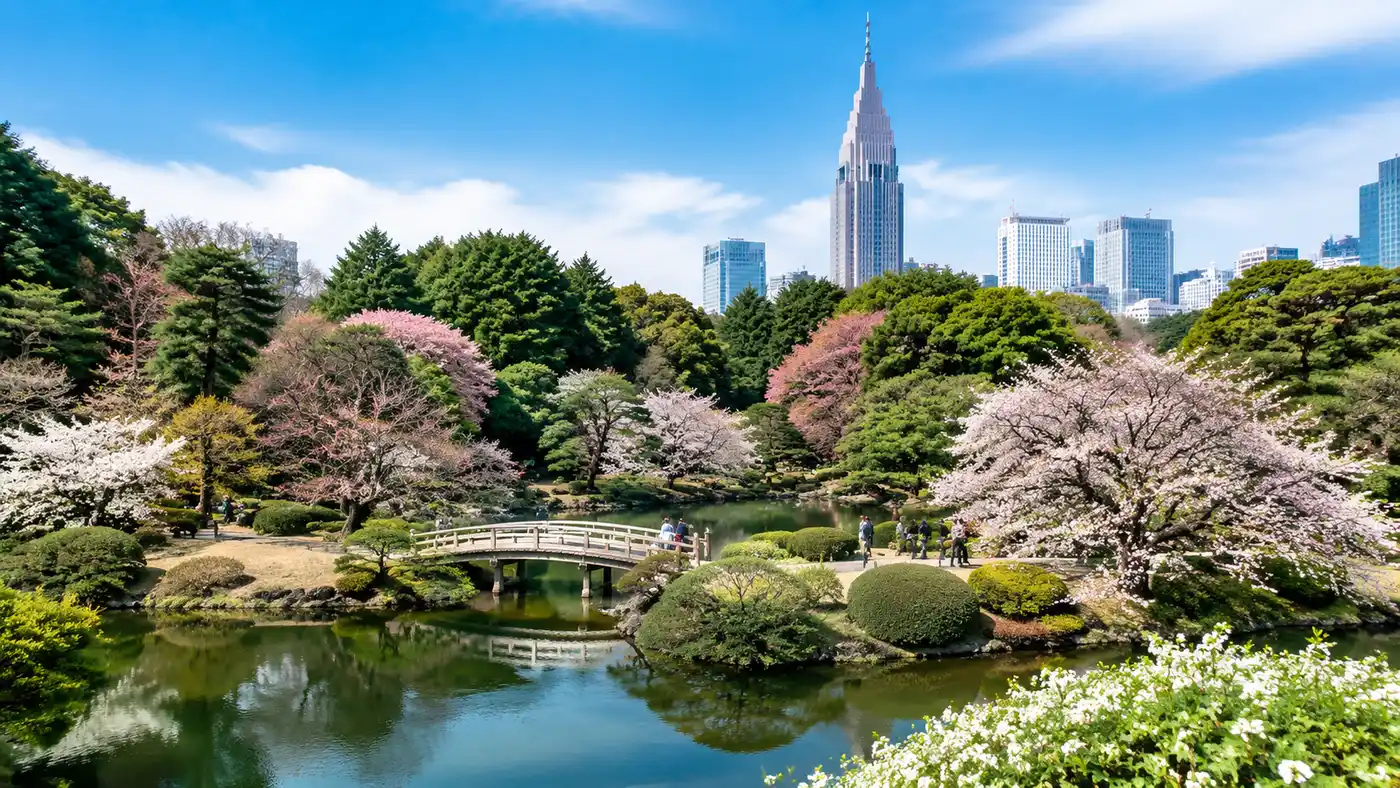
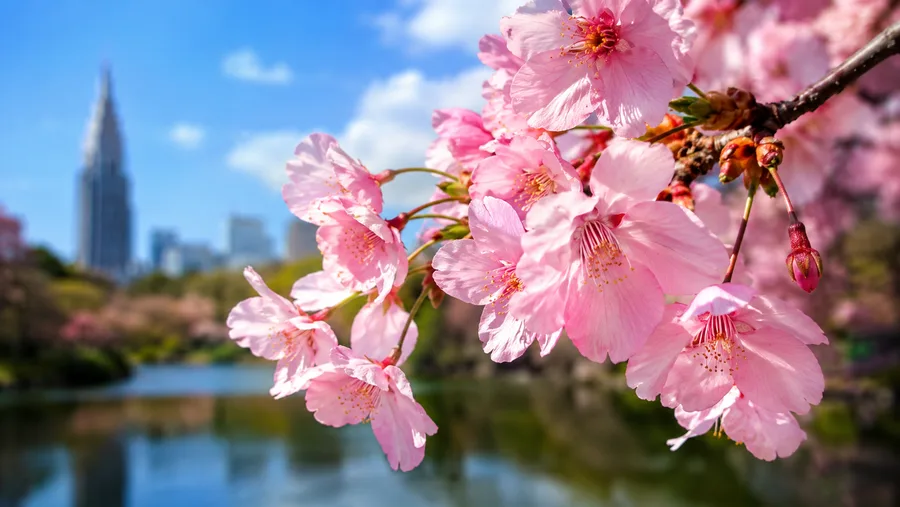
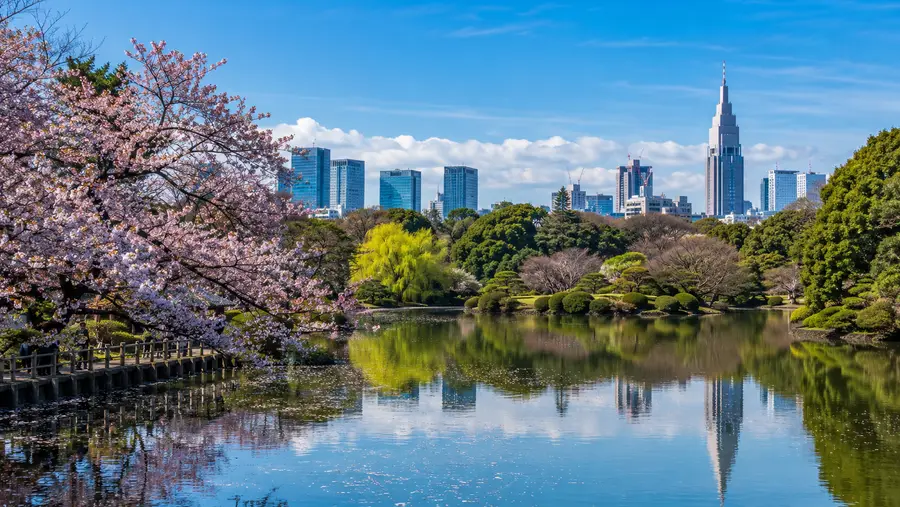
Spring at Shinjuku Gyoen is, without a doubt, the most popular time to visit. From late March through April, the garden transforms into a breathtaking tapestry of pinks and whites as the cherry trees burst into bloom. There are over a thousand cherry trees here, representing many different varieties, which means the blooming period stretches out a bit longer than at some other spots. You can catch early bloomers, mid-season favorites, and even some late-blooming varieties, giving you a good chance to see them no matter when your trip falls in that window. The English Landscape Garden, with its wide open lawns, becomes a favorite spot for hanami picnics. Families and friends spread out blankets, sharing food and drinks under the delicate blossoms. It's a truly iconic Tokyo experience, full of laughter and joy. Expect crowds, especially on weekends, but the garden is so vast that you can still find quieter corners if you venture a bit further from the main cherry blossom areas. Beyond the cherries, you'll find vibrant azaleas, tulips, and a host of other spring flowers popping up everywhere. It really feels like the whole garden is waking up. If you're planning a trip specifically for the flowers, I highly recommend checking out our comprehensive Shinjuku Gyoen Cherry Blossom Guide for peak bloom forecasts and tips. Shinjuku Gyoen spring is just a spectacle.Note: During peak cherry blossom season, the garden can get incredibly busy. Consider arriving right when the gates open to enjoy a bit of peace before the main rush begins. Weekdays are generally less crowded than weekends.
Shinjuku Gyoen Summer: Greenery and Hydrangeas
When summer arrives in Tokyo, Shinjuku Gyoen national garden summer offers a verdant escape from the city heat. The intense greens of the trees and lawns are incredibly lush, providing a soothing contrast to the concrete jungle outside. It gets hot, no denying that, but the shade from the mature trees makes a huge difference. You'll see people relaxing under giant zelkovas and camphor trees, enjoying the cooler air. June is a particularly lovely month to visit shinjuku gyoen national garden in june, as the hydrangeas come into their own. You'll find clusters of these beautiful, big-headed flowers in shades of blue, purple, and pink scattered throughout the garden, especially near water features and along shaded paths. The Traditional Japanese Garden ponds are full of irises and water lilies, adding to the tranquil summer scene. Shinjuku Gyoen hydrangea blooms are quite impressive. Even in the height of July and August, when the humidity is at its peak, the garden maintains a certain charm. It's a great place for a morning stroll before the midday sun gets too intense, or for an evening visit if they have any special events.- Stay hydrated: Always carry water, especially during hot summer months. There are vending machines and a cafe in the garden, but it's good to have your own bottle.
- Seek shade: The English Landscape Garden offers wide open spaces, but the French Formal Garden and Japanese Traditional Garden have more shaded paths.
- Visit early: Early mornings are cooler and less crowded, making for a more pleasant experience in the shinjuku gyoen park summer.
Book your Shinjuku Gyoen experience:
Shinjuku Gyoen Autumn: Fiery Foliage and Chrysanthemums
Autumn is another incredibly popular time for Shinjuku Gyoen, and for good reason. The transformation of the leaves, starting in late October and peaking in November, is absolutely spectacular. The maples turn brilliant shades of crimson, gold, and orange, creating a fiery display that rivals the spring cherry blossoms in its visual impact. The gingko trees, especially, become a stunning golden yellow. It's a photographer's dream, with every turn offering a new, vibrant vista. Beyond the autumn leaves, Shinjuku Gyoen national garden autumn hosts the annual Chrysanthemum Exhibition, which is a truly unique experience. This event, usually held from early November for about 15 days, showcases an incredible array of chrysanthemums grown in traditional Japanese styles. You'll see massive, perfectly formed blooms, cascading arrangements, and plants trained into intricate shapes. It’s a testament to incredible horticultural skill. The shinjuku gyoen chrysanthemum exhibition is often held in the Japanese Traditional Garden, near the Upper Pond. If you are in Tokyo around November, make sure you don't miss the shinjuku gyoen chrysanthemum festival. For more detailed information on when to catch the best fall colors, you might want to read our article on Shinjuku Gyoen Autumn Leaves & Fall Foliage. Here is a quick overview of seasonal highlights at Shinjuku Gyoen:| Season | Main Highlights | Best Months |
|---|---|---|
| Winter | Plum blossoms, camellias, quiet landscapes | December, January, February |
| Spring | Cherry blossoms, azaleas, tulips | March, April, May | Summer | Hydrangeas, lush greenery, irises | June, July, August |
| Autumn | Autumn leaves, chrysanthemums | September, October, November |
Planning Your Visit: General Tips
No matter which season you decide to explore Shinjuku Gyoen, a few general tips can help make your visit smoother. The garden is quite large, covering about 144 acres, so wear comfortable shoes. There are three main entrance gates: Shinjuku Gate, Okido Gate, and Sendagaya Gate. Each offers slightly different access to various parts of the garden. For example, the Shinjuku Gate is closest to Shinjuku Station and leads directly into the English Landscape Garden. Admission fees are quite reasonable, something like 500 yen for adults, and it's free for younger kids. You can usually buy tickets from vending machines or a ticket window. They have specific opening hours, typically from 9:00 AM to 4:30 PM, with last entry around 4:00 PM, but these can change seasonally or for special events. It's always a good idea to check the official website for the most current information on shinjuku gyoen opening hours. I think arriving early in the morning is almost always the best strategy, especially if you want to avoid crowds and enjoy the garden in peace. You can find more details on entry and how to get there in our guide, How to Get to Shinjuku Gyoen & Entrance Gates.- Timing your visit: Early morning, right after opening, is usually the least crowded. This is true for any season, whether you are trying to visit shinjuku gyoen in may, shinjuku gyoen in october, or shinjuku gyoen in january.
- Food and drink: While picnics are allowed in designated areas, alcohol is usually prohibited. There are cafes and rest areas to grab a snack or coffee.
- Accessibility: The garden is generally quite accessible, with paved paths and gentle slopes. Wheelchairs are available for rent at the gates.
Frequently Asked Questions about shinjuku gyoen winter
Is Shinjuku Gyoen worth visiting in winter?
Absolutely. Shinjuku Gyoen winter offers a unique tranquility with fewer crowds, the beauty of winter-blooming flowers like camellias and early plum blossoms (especially in February), and a warm escape in the greenhouse.
What flowers can you see in Shinjuku Gyoen in February?
In February, you can enjoy the beautiful plum blossoms, which are often the first sign of spring. You'll also find camellias in bloom, and always a vibrant display of tropical plants inside the greenhouse.
Is Shinjuku Gyoen open in December and January?
Yes, Shinjuku Gyoen is open in December and January, though it closes on Mondays (or the following day if Monday is a national holiday) and over the New Year's period (usually December 29th to January 3rd). Always check their official site for current opening dates and times.
Quick Reference
- Open most days, 9:00 AM - 4:30 PM
- Adult admission is around 500 yen
- Three main entrance gates
- Best visited early morning
- No alcohol allowed
Book your Shinjuku Gyoen experience:
My Take on Shinjuku Gyoen
Honestly, I think Shinjuku Gyoen is one of those places in Tokyo that never disappoints, no matter when you go. Each season paints it in a completely different light, offering new discoveries and photo opportunities. While the spring cherry blossoms and autumn leaves get all the hype, don't overlook the quiet charm of shinjuku gyoen in winter or the lush greenery of summer. It’s a truly versatile garden that provides a much-needed breath of fresh air and a connection to nature right in the middle of a bustling metropolis. So, next time you're in Tokyo, consider a visit, maybe even in a season you hadn't thought of before.Read more about Shinjuku Gyoen.